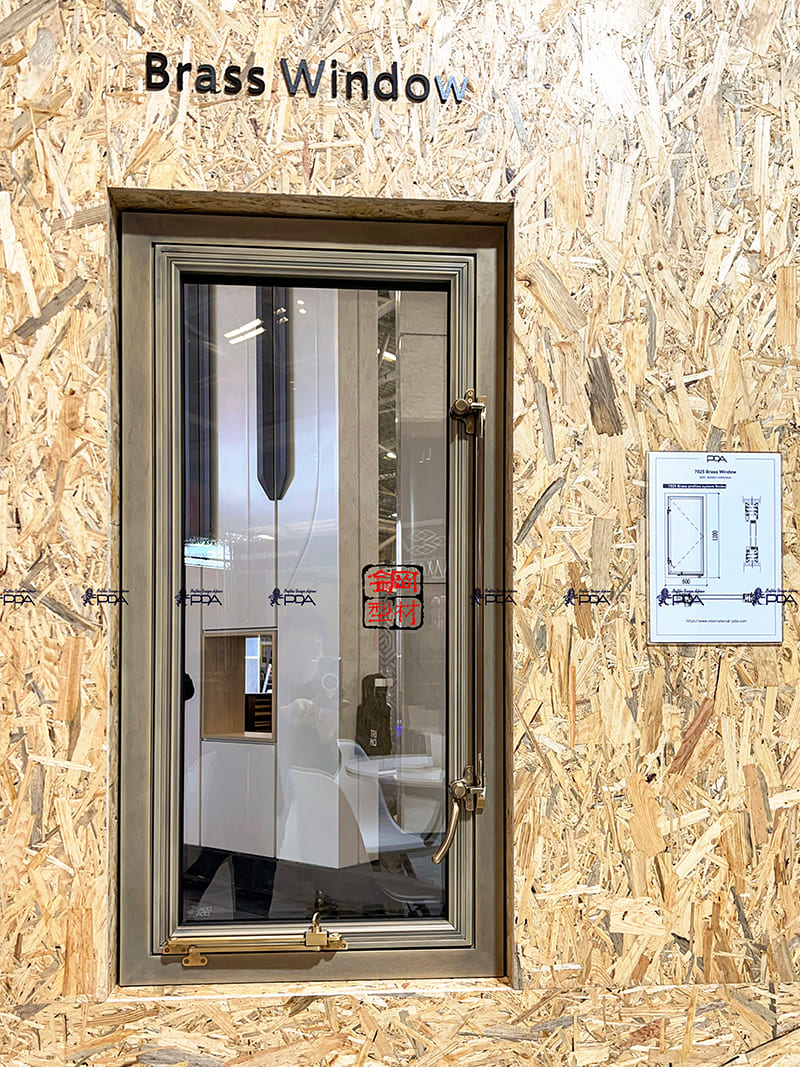
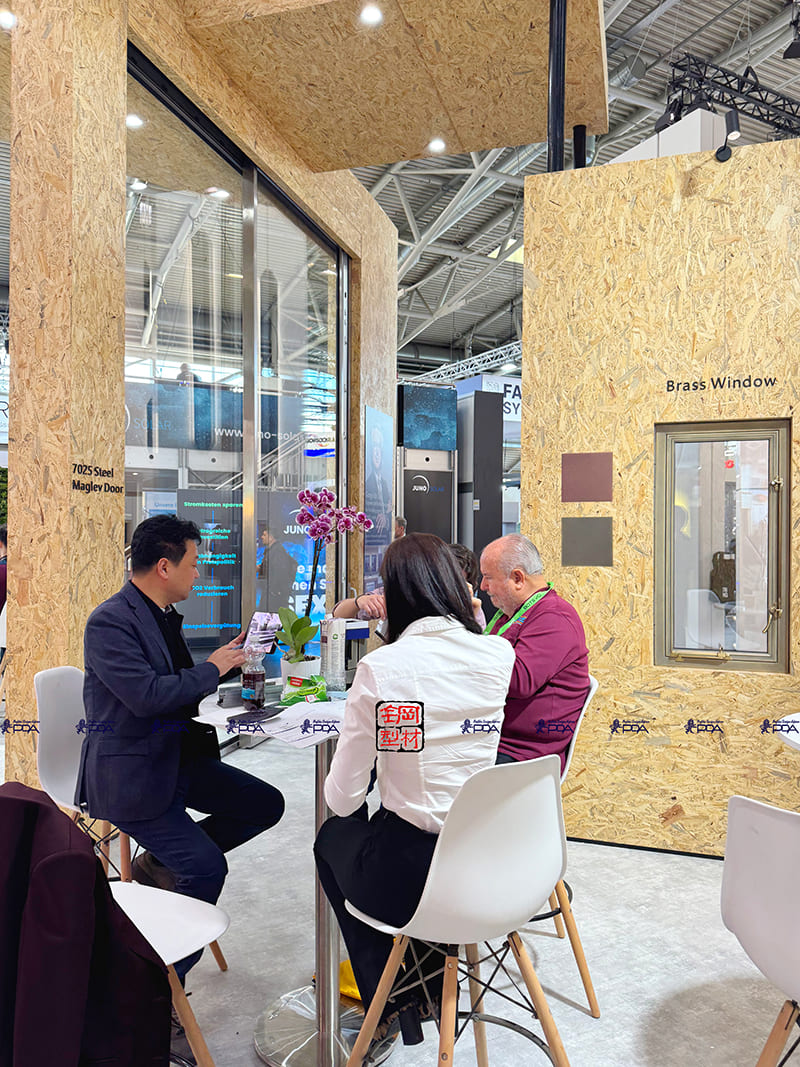
The BAU 2025 exhibition underscored a seismic shift in European fenestration trends, with
brass profile windows emerging as the darling of architects and homeowners alike. PDA’s brass collection, showcased at the event, exemplified why this material is reclaiming its Renaissance-era prestige.
1. The Renaissance of Brass in Contemporary Architecture
Brass, once reserved for historical restorations, is now a staple in modern designs. At BAU 2025, PDA’s brass windows drew crowds for their dual appeal: warm, golden hues that patina elegantly over time and unmatched durability against harsh climates. Unlike PVC or aluminum, brass develops a unique character, making each installation one-of-a-kind.
2. Market Drivers in Europe
Northern European countries, particularly Germany and Scandinavia, are spearheading demand. The material’s corrosion resistance makes it ideal for coastal regions, while its thermal conductivity aligns with strict EU energy standards. PDA’s market research reveals a 40% YoY increase in brass window inquiries since 2023, driven by luxury residential projects.
3. Technical Innovations Unveiled at BAU 2025
PDA’s brass profiles feature a proprietary nano-coating that slows patination, allowing homeowners to preserve the original finish for up to 20 years. Additionally, the integration of argon-filled glazing units reduces U-values to 0.8 W/m²K—a breakthrough highlighted in multiple BAU 2025 panel discussions.
4. Case Study: Brass in Urban Renewal Projects
A notable example is Hamburg’s HafenCity district, where PDA’s brass windows were chosen for a mixed-use development. Architects cited their ability to harmonize with both industrial brick facades and sleek glass towers as decisive factors.
Conclusion
As BAU 2025 demonstrated, brass profile windows are no longer a niche choice but a strategic investment for Europe’s design-forward markets.